*This one is long so I apologize to your eyeballs in advance*
Concealing identity
“Most news organizations agree that journalists generally should identify themselves and their news organization in the course of routine newsgathering. It is not appropriate to mislead or deceive someone you are interviewing or to use subterfuge to obtain the news.”
Deception is wrong especially when looking to cover a story. You don’t always have to identify yourself as a journalist, but straight up lying about who you are and what you do is a soft no for me.
“If any member of the public could have heard what you did, there is no need to identify yourself.”
BUT
“What if we can’t get at the truth by presenting ourselves as journalists? Are there times when the ends justify the means?”
Maybe, but as a journalist, you cannot lie about *not* being a journalist. In several instances, this can lead to more harm than good.
I’m mostly thinking about drug and cartel violence. There have been several instances where journalists are able to observe and cover illicit situations whilst not having to conceal their identities. If identities are concealed and word gets out you’re basically a moving target.
*I personally would not work undercover, but I cannot condemn a journalist who does.*
For this I have decided that,
“We permit undercover reporting only when we feel a story is important enough to justify doing so, and we have exhausted all other reasonable methods”
CONFIDENTIALITY
“What is the source’s reason for not wanting to be identified?”
This, to me, is the $100 question.
Why not be identified? Are they put directly in harm’s way? What harms come from identifying this source? Are the reasons self fulfilling?
“Before a journalist grants confidentiality, you should have a detailed discussion of the source’s reasons for wanting to avoid accountability”
If the source is hesitant to concede, you can ask for a different source who might go on the record. This holds more credibility and can uncover/remove any self fulfilling motives.
As a journalist I would seek to provide the most accurate information whilst minimizing harms. Sometimes this means asking more questions to uncover a source’s motives, and sometimes it means omiting a name.
Sounds a bit sketchy for a source to approach you with info and still want to remain anonymous. Check that shit out once, twice, and until you make sure the information you are given is legitimate.
*QUESTION THE HARMS, ALWAYS BE CRITICAL OF THE SOURCE’S MOTIVES, AND DON’T MAKE PROMISES YOU CAN’T KEEP.*
For these reasons I have decided that,
“We seek credibility and will confirm the integrity of anonymous sources. We recognize that many sources cannot talk to us freely. We grant confidentiality after intense consideration of harms involved in the reporting process but not before seeking other sources.”
Balance and Fairness
“In objective journalism, stories must be balanced in the sense of attempting to present all sides of a story.”
This one stumps me every time. Here’s an example,
In attempts to provide both sides of the story, The OC Register reported that 128 immigrants were arrested in sanctuary cities across CA. In the article, the reporter includes U.S. Department of Homeland Security Acting Secretary Chad Wolf’s harmful statements of detainees. Later two cases of “hardened criminals” being detained are described followed by Wolf’s statement that *most* of the people arrested are hardened criminals. Now, it’s not until much later that immigrant rights advocate explains how this is fear mongering, and that *most* is somewhat misleading.
By including descriptions of the criminals that were arrested, it strengthens preconcived notions that all undocumented immigrants arrested are “hardened criminals”. Sure, they included an immigrant rights activist, but they did not clarify what *most* means and to me this reinforces negative sentiments against undocumented immigrants.
Personally, I count this as a disservice to the OC community. I am biased though. I live there.
*Provide facts and be as clear as possible especially when talking about political issues or human experiences*
For these reasons I have decided that when it comes to Balance and Fairness,
“We will refrain from presenting multiple points of view if one perspective on an issue has been credibly established as fact. We will avoid “false balance” and be as clear as possible on the facts presented. If officials make claims, we will check to ensure accuracy and seek to uncover any generalized claims that prove harmful.”
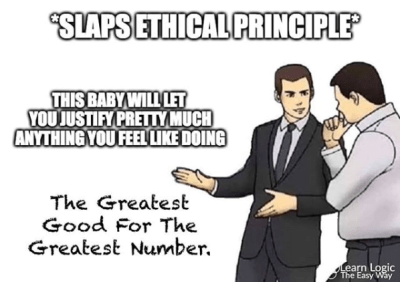
**I have noticed a common theme for me here— the reporting I do as a journalists should seek to maximize information and minimize harms for the general public.**


 lupita rivera
Leave a comment